Running Through It

In January, a friend asked if writing has interrupted my running goals. I have been ruminating on the question since then, including since I first started drafting this post in March (if that explains at all how this year has been going). I also found it so hard to answer, important to mull over, because writing and running are integral to my every day. I find time to move, time to write. It’s all creative to me. It’s always happening within me, even if I’m not actually writing or running in the moment. I started a blog called POETS THAT SWEAT, after all.

Prioritizing book event opportunities did change my racing schedule. I was out of Baltimore for many spring races. Evening engagements made me a group run ghost. I was spending time with writing friends in ways I hadn’t done since before the pandemic. I loved that time. We always need more time.

What I didn’t choose was severe lung inflammation, stoked by a major allergy flare before some updated allergy testing, then some ugly bloodwork I’m continuing to investigate. The ENT & allergist saw how a week without antihistamine to do some allergy testing caused my joints to swell, caused intense full-body joint pain. With endometriosis and my hypermobility, I have some big-picture concerns still to be determined. 

I managed to run this spring, though scaled back. Rather than racing, runs were connected to travel. During AWP in March, I scheduled my flights to have extra time to run. This was, of course, planned before the severe allergy flare, but I managed to have a good time. All while my friend and AWP roommate heard my breathing suffer.

First, I explored the Santa Monica Pier. I had started a daily steroid inhaler a couple days before getting to LA. My lung inflammation was so severe at that point that a half-mile easy jog was nearly impossible. I jog-walked for about 2 hours, taking in Venice Beach, Muscle Beach, skaters grooving to Fugazi, with Andrew McMahon in my head. I ate cash-only churros from a local vendor next to the end of Route 66.

The steroids continued their magic over the next five days. I was able to close the trip with an epic 14 mile run from Griffith Park to the Hollywood sign, The Last House on Mulholland Drive, Angel’s Frank Lloyd Wright crypt, then through the Los Feliz neighborhood. I think about the route all the time. The smooth dirt trails, the coyote quietly searching, the misty haze blanketing the city, the ranch tucked in a valley. I can see why so many people find magic there.

I had a quick weekend in NOLA in mid April for the New Orleans Poetry Festival. My lungs were so much better by then. I even had a chance to run around the art museum with a poetry friend, talking mostly about running and some about poetry.

My partner and I went on a road trip to Big Bend National Park for the last half on May. The trip deserves its own post. I have a notebook full of notes from Roadside Geology, tour guides, and observations. I’ve seen movies set in West Texas, looked at pictures, but the expansive land has an immense beauty I have trouble giving language. The best I can do is say I felt in my bones a depth that only scratches the surface of what indigenous people have seen in the land for thousands of years. I wasn’t able to get any readings scheduled during the trip, so I did some pop-up roadside recordings that I called “We’re All Oddities: Roadside Book Tour” on my Instagram.

I look to ultra-athletes with chronic illness, like Devon Yanko and Grayson Murphy, to not be afraid to keep finding new ways to explore. I’ve expressed this before – I’d be in pain if I wasn’t running. Why not have some fun? I have a tentative massive goal for 2027 that involves going to the Salton Sea. First, I have a road half-marathon to take on in October. Like I mentioned, I’m in the middle of testing to see if the doctor can pinpoint SOMETHING that’s causing unbearable fatigue. It’s going to take up most of my fall, but I refuse to pause my life.

Books I’m thinking about / recently read:

  • Mountain Amnesia by Gale Marie Thompson
  • Between Two Kingdoms by Suleika Jaouad
  • Recollections of My Nonexistence by Rebecca Sonlit

Stay sweaty and glittery. None of us are free until all of us are free.

The Wild Oak Trail

The Wild Oak Trail delivered this weekend – spooky, challenging, and overall, epic. This is described as a wild and free race. Participants follow the official blazes with minimal support. Yet the race director and a few of his friends made the racefeel huge. This weekend had more excitement and support than some of the 300+ entrant trail races I’ve participated in. There is something important about coming together for a love of the earth. A lot of us are rough around the edges, like the terrain.

To bring it together, I’ll recap by noting key moments.

11pm the night before: I’m still awake, refreshing the Facebook page. I want to know that my partner and friends out there had a good second loop in the 100 race before falling asleep. I somehow fall asleep before knowing their fate.

Getting to the parking lot in the dark: Snow is still coming down. I’m hyping myself up by remembering that I ran Bullshit Backyard in worse conditions (33 degrees and pouring rain for 7 hours) and that friends about to show up have done major winter backpacking trips. There are no bad conditions, just bad gear, amiright? I want to be right.

7am: I start reading Gale Marie Thompson’s Mountain Amnesia. The first poem opens with, It seems important to know the name / for this smallish mountain. Chills run through my body as I look out of the van to the trailhead.

8am: We’re off! One of the largest groups ever for this event. There’s a fresh coating of snow after the whirlwind storm that blew through before sunrise. It’s comforting to know that in addition to the trail blazes (and our various backup map formats), we’ll be able to follow each other’s tracks.

Mile 1-7: Tucked behind a group of Canadian runners with a friend. We’re both strong climbers, but after hearing how hard this trail is for months in the lead-up, we’re both conservative in our goals and starting effort. Around 4 miles in, I verbalize that we’ve had many delightful false flats – so far, the trail is reminiscent of a longer Bobs Hill (in Catoctin), which we both feel confident on. She validates my assessment and I can tell we’re both getting much more confident.

Mile 10: I’m still running with a small group of Canadians and we’re all generally very hype, so we approach the water crossing at Camp Todd with enthusiasm. We debate the merits of taking off our shoes. I share that folks that started on Friday for the 100 distance said the course was very wet after the water crossing, so removing your shoes would be futile. Most of us get to the river, grab the safety rope, and plunge right in.

Mile 10.5: The friend I spent the first climb with trots past me after we left the Camp Todd aide station. I knew it might be the last time I saw her, and I famously said “I’m going to walk while finishing my sandwich, maybe see you later!” She scurries up the mountain with ease. It is always feral girl fall in the wilderness.

Mile 13ish: After finishing my sandwich, climbing for a bit with another talented local female runner, I had been sharing some miles with a Canadian runner. We were having a good time, but nausea was coming on strong. The PB&J was too much. I said something like, “I’m going to get quiet. I need to focus on not vomiting.” 

Mile 14-15: The terrain transitioned to about a 20-30% downhill grade for much of this descent. Rain, warmth, then snow in 48 hours turned it into slop. I trotted down at my own pace, working to keep my back straight and shoulders down as best I could on my least favorite terrain.

Mile 16: I’m alone and thinking about how strong I’ve felt so far. I could have never done this without excision surgery, hysterectomy, and all the other medical support during the worst of my endometriosis. 

Mile 17: I’m back with the Canadian runner and he remarks that I seem to be doing much better. I am. One of the challenges in these long efforts is to not let a tough moment derail your day. I kept my forward motion when I wasn’t feeling well, and it passed. 

Mile 19: Not quite realizing we are on part of the trail nicknamed Chin-Scrapper, we plod up the steepest climb of the day with focus and resolve, checking in on each other when we hear foot slips on the muddy snow and leaves.

Mile 21-23: We’re on a fire road! We can open up our legs! We are so shocked and thrilled that we have this treat, we check the map multiple times. It’s still raining, possibly freezing rain (both our hat brims are frozen), when we hear footsteps behind us. Another woman is flying down the road. We all exchange words of encouragement before she disappears into the mist ahead of us.

Mile 23: My running buddy says we are supposed to have one more major climb before the finish (see mile 19 note above). I say that mile 19 was pretty steep, but we can’t remember where this infamous climb is, so we decide we’ll take it as it comes. I’m also looking back for Jeremy to catch us at the end of his 4th loop. Based on time, he can’t be too far behind, but we are moving faster than I expected. He ended up getting 3rd overall in the 100 for his massive effort, but while running, all I could do was wonder.

Mile 25: My running buddy points out an exceptionally shaped tree. This is a native trail marking – trail trees, culturally modified trees, that have been modified by indigenous people as part of their tradition. I have been thinking about belonging and am once again reminded that the earth has been stewarded for many years before us.

Mile 26.5: We run into Aaron about to finish his 7th loop! He’s a Maryland runner that started on Wednesday in the 8 loop, 200 mile effort that only a handful of people have finished since 1988. We have an encouraging exchange and continue with some haste to keep going to the parking lot. The final stretch of the trail is rather rocky and slick for my taste, especially on tired legs, but the hard climbs are over.

Finish: 7 hours and 45 minutes. Taking it comfortable while still making a point to trot as much as possible, I came in under my conservative goal of 8-10 hours. I packed food, water, and a headlamp like I could take 12-14 hours, based on everyone’s terrifying descriptions. The Wild Oak Trail is not easy, but the earth rewarded any one that took it on with its climbs, smooth descents, and varied fauna. 

Books I’m thinking about / recently read:

  • Mountain Amnesia by Gale Marie Thompson
  • Belonging: A Culture of Place by bell hooks
  • History of my Breath by Kristin Kovacic

Stay sweaty and glittery. None of us are free until all of us are free.

Feel Good Story Of The Year

I thought I’d have this done sooner, but life, then illness and moving, slowed me down. So! Here’s a little recap of 2023 through some superlatives, as I think about being worse in 2024. You read that correctly. At the end of last year, I read a meme that said, “I’m gonna be worse.” I read it as leaning into yourself, embracing your idiosyncrasies. Where I want to be.

I Will Endure Paperwork To Travel

I hate paperwork. I get anxiety any time I think about filing my taxes, which happens to be daily as TurboTax harasses my email account. Getting my passport updated was a comedy of errors as I got ready to visit friends in Estonia. I could not find a CVS nearby that had a working photo printer, I’d go to a Post Office and their internet would be down…finally, I had my updated passport in hand so I could leave the country for the first time. I faced the anxiety of traveling alone (with a connecting flight in Amsterdam!) head on. Or at least, I decided to just do it. I’m so glad my friends opened their place to me so I could explore such a unique place. Estonia has seen so much change, yet preserved its history.

Best Worst Race Description

Eagleton Trail Challenge was described as “runnable.” No. I would still recommend the race for the beauty of the terrain changes and fun aide stations. At almost 6,000 feet of vert, almost two miles crisscrossing mossy rocks over a stream, a final climb at mile 29 so steep that a rope was along the trail to assist your climb, I spent around half the race walking. Another Faster Bastard and I happened to be signed up for our first 50ks, so we spent the almost 9 hours together. I could not have done it without her.

Most Colorful Day: Flower Mart

Sure, the spring equinox is in March, but have you ever gone to the Flower Mart in Mount Vernon? Usually the first weekend in May, the sun emerges from gray April wind and rain. I had a lemon squeeze with a good friend and her family, we bought herbs for our gardens—a pastoral kind of day in the middle of Baltimore.

Favorite Song To Repeat Over And Over

According to Spotify, I listened to “Worms” by Ashnikko 218 times. That doesn’t include the countless hours I was on trails, headphone-less, chanting in my head play my life like a video game / I don’t mind I’m driving through flames. Find me a better song for trotting along that sees the humor in futility! Check out all of Ashnikko’s music for her humor, spite, but also, vulnerability. Her creative persona is not afraid to feel deeply.

Most Out-Of-Body While Performing Experience

In September, I read as part of a fundraiser for The Lights Went Out Because There Was a Problem. I read a selection of older work. My soul left my body as I read. The words did turn blue in my mouth—they didn’t feel like me. Writing this four months later, I have been exploring new ways to conceptualize older work. I still love the poems, but I am not the same artist. How good to grow!

Realization Of The Year

My health wasn’t the focus for others. I was able to be there for people I love who had their own health-scare moments. As I continue to sit in a liminal space between healthy and sick (I can run ultramarathons! I catch viruses at the drop of a hat! Why won’t my thyroid relax?!), I felt relief to not be the focus.

Favorite Decision Of The Year

Buying a house outside of Gettysburg with my love!! Some things I want to hold close to the chest. I am grateful for our life.

Books I’m thinking about / recently read:

  • Places I’ve Taken My Body: Essays by Molly McCully Brown
  • Nice Nose by Buck Downs
  • Hunger Makes Me a Modern Girl by Carrie Brownstein

Stay sweaty and glittery. Black Lives Matter.

Feeling Athletic & Chronically Ill: Not Polarized Feelings

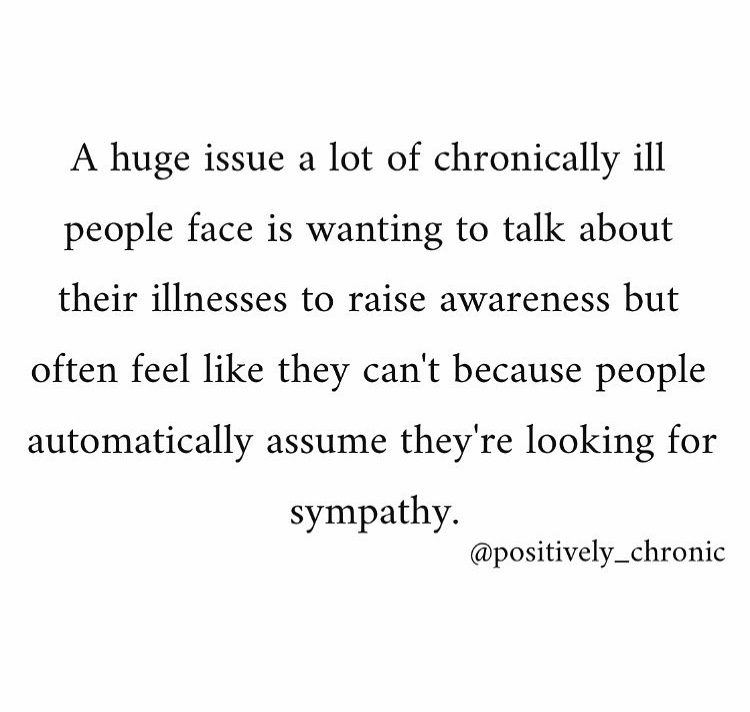
Setting the scene: I’m propped up on the chaise section of the couch with a heating pad on my back, a cat snuggled on my shins, while I think about the Baltimore Running Festival 5k. I set a personal record by 30 seconds yesterday, running the 5k in 21:23. This post will recap the race, then I’ll explain what I did to prepare while managing endometriosis. I share my endometriosis journey not so you feel sympathy, but to share information and break down the isolation that comes with the alienating condition. I run for the endowarriors that can’t because their kidneys or diaphragm are compromised from the disease, or because a doctor has not referred them to excision surgery.

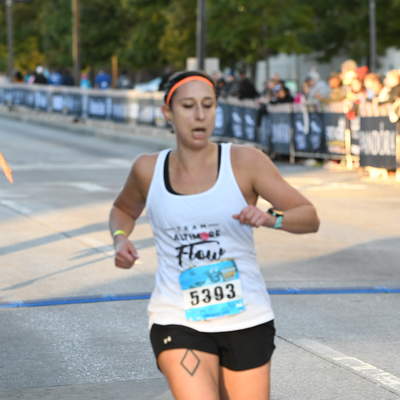
First, the easy part: the race recap. The weather was PERFECT. The course was mostly shaded by buildings in the 7:30am morning sun while the temperature was around 50 degrees. I wore a Team Baltimore Flowtank top and shorts because I know I overheat. 

Mile 1: 6:49 pace

The first mile felt easy. I started close to a 6 minute mile, so I pulled back. My virtual coach from Charm City Run sent positive affirmations throughout training to help me feel confident in controlling the first mile. I also saw Frugal Nutrition a bunch of times on her bike. Seeing her brought me so much joy!

Mile 2: 6:58 pace

            I worked on staying controlled and strong, repeating lines from “Polarize” in my head. It’s deciding where to die and deciding where to fight, deny, deny, denial. I find those lines comforting, anyway. The course layout also helped with staying strong. The turn-around was at the halfway point, which helped me chunk each half mile as a small goal to reach. 

Mile 3: 7:00 pace

            The race is billed as “completely flat”—not true!! Maybe compared to the traumatic hills in the half marathon and marathon, but NO. Most of the race is like running at a 1-3 elevation on the treadmill. The course is a common route for my training runs, so I paid careful attention to these changes in order to mentally prepare, and you know, not have unrealistic expectations. The stretch of Key Highway next to Rash Field tends to mess with me. To push through these soft elevation changes, I thought about all my 6:30-6:40 paced repeats in sprint runs workouts.

Last .1: 6:15 pace

            I turned the corner of Charles and Pratt to face my partner and his family screaming, seeing them gave me strength to push it with everything I had left. I had more speed than I expected. I feel more confident that mile 2 can be more aggressive, setting me up to also push harder on mile 3. My heart rate never crested 150. After multiple 5k bonks with a final mile slower than 8 minutes, I can finally see I’m capable of a consistent race pace. My coach planned quite a few runs at tempo pace for 30-40 minutes. They are physically and mentally challenging, but that made the 5k speed seem less daunting.

Will I ever have cute race photos?

I was in my ovulation phase the week before the race, which brings escalating pelvic pain and fatigue as I get closer to my menstrual cycle (yes, despite having excision surgery 16 months ago). I acknowledged my fear that it would be detrimental on race day, then did my best to let the feeling go. Wouldn’t it be great to one day run a race on the most energetic day of my cycle! Rest, despite three evening events at work, was a priority all week. Also: water, gentle stretching, and easy work at physical therapy for an unhappy hamstring. My partner and I partially prepped dinner to remove the dinner decision making after long work days.

How did I prepare in general? In addition to working with a virtual running coach, I have an incredible care team that includes pelvic floor physical therapy, acupuncture, and a gynecologist. I also take extra care to preserve my health by reading about the latest endometriosis research and hormonal cycles in training. If you are looking for a start in your endometriosis journey, join Nancy’s Nook on Facebook. The group has the latest research resources and doctor recommendations. The admins work tirelessly to remove misinformation.

An awful truth: most of my care is not covered by insurance. On top of endometriosis having a 7-10 year diagnostic window, most of the best care is still difficult to access. There are multiple reasons: dismissal of women’s pain (just read this essay by Tressie MacMillan Cottom), inadequate diagnostic procedures, or insurance companies deeming excision surgery medically unnecessary. When your body is experiencing pain for such a long time, it takes extra care after diagnosis to get close to a baseline of “normal,” which I like to think of as pain-free. I’m still not there. Working to balance my hormones and energy levels with everything listed above has been a start. I cycle syncto nourish my body, including easy activities at certain times, even when I’m working towards big running goals. 

More than the pain, I’m at a point where I can barely control my anger about inadequate care and access to resources. Writing to break the silence is my main advocacy now, though that will change as I meet more people working to create change.

Some books I was thinking about while writing this:

  • The Body Paper, Grace Talusan
  • Music for Wartime, Rebecca Makkai
  • Thick, Tressie MacMillan Cottom

Now, to take a week off from running to stretch, practice yoga, and learn new hamstring strengthening tools at physical therapy. Stay sweaty and glittery.

Curious Potential

Beating Endo: How to Reclaim Your Life from Endometriosis and ROAR: How to Match Your Food and Fitness to Your Unique Female Physiology for Optimum Performance, Great Health, and a Strong, Lean Body for Life arrived earlier this month. As I continue to work toward a sub-20 minute 5k, I’m also working on taking to heart the advice from my acupuncturist and pelvic floor physical therapist: running easy (or not at all) while I have my cycle. I’ll write more about my experience with those books and a virtual running coach after the Baltimore Running Festival 5k. I’m so curious about potential.

Why is not running so hard? I spent a decade being told my pain was normal. I was treated as if I was lying, weak, or hysterical. I needed to take the pill or suck it up. The message was that it was my fault I couldn’t stomach the pain. I was already practicing this kind of self-talk anyway–I swam on a team where the coach said that you’re recovering while sitting in class in between morning practice and evening practice. Unlearning those beliefs will take time. I’ve been repeating the phrase that Sonya Renee Taylor created an organization around: the body is not an apology.

I’m curious to see how radical self-love and athletics interact as I face the unknown. I’d like to think they’re not mutually exclusive if the movement is about exploring the unknown and internalized expectations. Taylor recounts an encounter with a free-diver as description of the journey of radical self-love: “learning the difference between fear and danger.”

As I read Taylor, my thoughts wander to Leslie Heywood and Shari Dworkin’s Built to Win: The Female Athlete as Cultural Icon: “Serious athletic training paradoxically produces a profound (and only partially mistaken) sense of the self-authorship of one’s body. This sense is one of the benefits of sport—you get beyond a culturally mediated sense of your body…And you feel that, through your labor, you’ve made yourself.” Have I used athletics to make myself? As much as I want to PR at 31, I run for the endo warriors who can’t. The ones whose kidneys and diaphragms are compromised by the disease, the ones whose healthcare won’t cover excision surgery. I see your fight and this is where I am in mine.

I’ve run with two Baltimore running groups this month: Faster Bastards and Riot Squad Running. Both groups are open and supportive and use positive self-talk when talking about new races. I love this, and plan to continue running with them while remembering that ultra-marathons may not be for me, though I have the joy of spending a Saturday morning running around the waterfront for 10 miles. It’s not lazy that I prefer 5k and 10k races. As my health changes, I’m going to continue to explore potential. 

Some books I was thinking about while writing this:

  • The Body Is Not an Apology: The Power of Radical Self-Love, Sonya Renee Taylor
  • Built to Win: The Female Athlete as Cultural Icon byLeslie Heywood and Shari Dworkin

On Spontaneity

Unfun confession: I am not spontaneous.

I never was—as a kid, the next swim practice was always on my mind. Lists were necessary for everything: swim-meets, vacations, reading, goals, my future house. I was creating vision boards before they were trendy. Every Sunday, I’d cut out my favorite furniture from weekly newspaper circulars for my future house. Could it have been the naming? Or was it having something to look at in the uncertain fog of childhood? Endometriosis has been part of my vocabulary, my identity, for over a year. I have a name for the cloud, but what can I do with it?

I’m still a list-maker and planner. It’s also all about tracking workouts, moods (I am always a mood), self-care, physical therapy, and sleep. Why? I have still been experiencing significant chronic pain and fatigue after excision surgery. Tracking symptoms is a way to see patterns and identify triggers. The scientific collection of statistics is a ritualistic calming. 

As I write this, I still think I should be more spontaneous. Instead, I plan my life around pain. My period is usually regular, so I plan everything—rest, social time, dates, workouts, events—around how I may be feeling. Otherwise, what if I’m caught in public without an arsenal of tampons? What if I’m stuck in a crowded event, in pain and unable to get to a seat? What if I have to cancel on someone because I didn’t anticipate how ghostly my body would feel? What if I’m so overwhelmed by symptoms I’m being a neglectful partner? Some days, I think a cane for high pain days would be a good investment. Yesterday, I barely made it up a flight of stairs before ceding to the elevator the rest of the day. This may be surprising when you look through my Instagram feed. That’s curation. I prefer to celebrate what feeds my soul online, especially when I need something positive to get through the hard days. I’m the master of the lean with the hip-cock. 

I have been turning the phrase by Rio Cortez in my head for what feels like years: “I have learned to define a field as a space between mountains.” Time and space have a different meaning when you’re racing your limits. Energy is collected in an attempt to maintain inertia. That’s not what her incredible chapbook is about, but the title has taken on a meditative role in my life. I will repeat from my Goodreads review: “if we can communicate how history has made us, there may be space to move forward.”

Tracking, naming, and identifying will probably always be part of the process. I’m an amateur adventurer in all of this. At least until there is some sort of cure for endometriosis.

Some books I was thinking about while writing this:

  • Laurel, Tyler Mendelsohn
  • I have learned to define a field as a space between mountains, Rio Cortez

Stay sweaty and glittery.

Joy in the Process

@friendwithendo posted a meme in the beginning of April that brought vague thoughts to the forefront of my mind. I’m embarrassed when I start sounding like I’m saying like back in the day, when I was a collegiate athlete. But my teen years were dedicated to the goal, then I was a Division I student athlete until 22. Shaking the mentality, or more specifically, the mentality that it’s not hard work if you’re not in pain, has been something I’ve grappled with while implementing the lifestyle changes that come with endometriosis.

Credit: Andrea Bell, Chicago, IL

How beautiful is that? Allow discovery and joy in your movement. In the momement. Despite pushing through daily pain with a smile, and doing things like causing a tibia stress fracture, I try to prove to myself that I’m not *weak* and have a high pain tolerance. Wuht?

I think of the line in Michael Downs’s The Greatest Show, “If people understood the full weight of the show they watched, they would be crushed.” Each day is a show I feel like I barely remember the lines to. I do not judge anyone else this harshly, I do not hold anyone else to this impossible, illogical standard. I don’t approach creating this way either. I consider myself a writer, exploring multiple genres, moving between fluid boundaries. Art isn’t limited to the page either. I look to multidiscliplinary artists like Lynne Price, Stephanie Barber, Jordannah Elizabeth, Amanda McCormick, and so many other incredible talents that transcend genre. Why am I not living like this when I’m moving? Is this impossible in running?

I tried something different when I ran the Charm City Run’s Sole of the City 10k earlier this month. A rigid personal best wasn’t on my mind. Since February, I had been on hormonal birth control and physically and mentally spiraling (I have stopped taking it and would like to say, if birth control helps you live the life you want, GOOD! Do you and you should not be limited in your access! It is not something I can tolerate. Yes, I am hard eye-rolling to all past and future individuals that say I should just get on birth control to make endometriosis go away. Read more here about how it is only a band-aid and not a long-term solution).

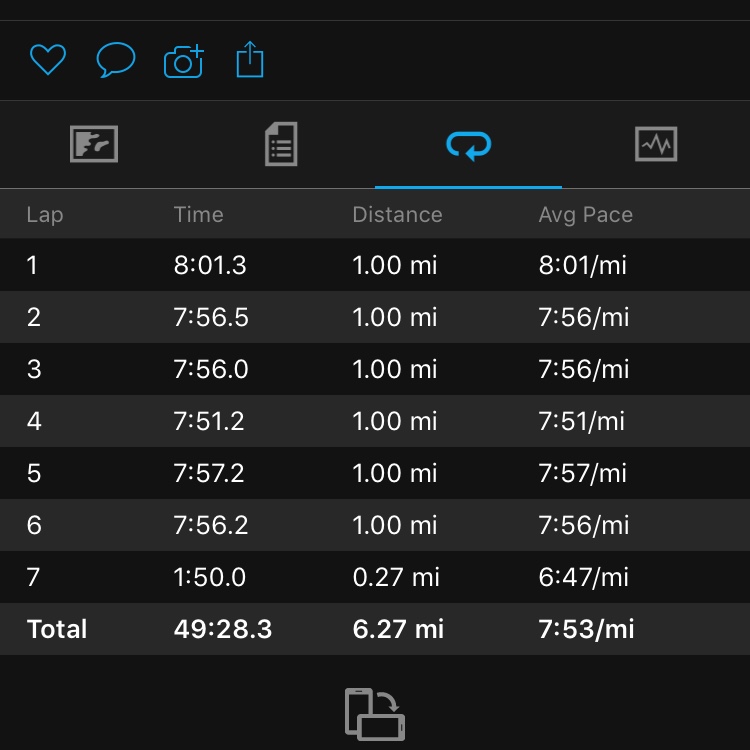
Even while struggling each day, I wanted to learn from the race. The course has a challenging hill during the final mile that broke me the previous year like the Baltimore Half Marathon broke my spirit in 2011. I’m looking at you, never-ending mile around Lake Montebello. I decided I wanted to negative split the Sole of the City, starting at an 8-minute mile pace that would be an effort but relaxed.

Dare I say the race was joyful? Despite the early spring humidity, the kind special to Baltimore where even your eyeballs are sweating, I was in relatively good spirits. It was probably the last time I wasn’t holding back tears or sobbing all weekend (I’m still looking at you, hormonal birth control). Reading Partners volunteers cheered at 26 points—one for each letter, yay, literacy!—an officer was singing for everyone at mile 2.5, which carried me to Charm City Run Fells Point blasting Kesha’s Timber around mile 3.5. Then I targeted someone a few paces in front that I had seen earlier in the race to bring me to the finish. 

Screenshot from my Garmin 235

My ability to hold pace was a pleasant surprise. As reference, when I’m not doubled-over from endometriosis and related symptoms, my tempo run pace is comfortably at a 7:20 per mile pace. Keeping a relaxed mind helped me hold the sustained moderate effort. I sort of approached the Charles Street 12 this way in September 2018, but if I’m being honest, I thought it was going to be a rare approach. I had excision surgery in April 2018 and I was cured, right? RIGHT?! Cue the reality of chronic illness.

I’m learning from the Baltimore Flow and incredible healthcare providers—shouts to Sustainability Wellness and Indigo Physiotherapy—to listen to my body. To look at it as more than something broken. To approach athletics how I approach creativity—with an eye for discovery. I have to be creative as I continue to chase a sub-20 minute 5k goal. I have to trust that when I feel well, the work will fall into place. While I’m not, there is a process and joy can exist in discovery.

Stay sweaty and glittery.

An Element of Control

In the spirit of crampedstyleblog’s #selfcarefebruary on Instagram, I’ve been looking closely at what I’m doing when my body starts to shut down. Last month, so many things were missing from daily routine: multiple rest days, dedicated stretching time to keep (my) hips open, allocated time to indulge in pleasurable reading. My body starts to rebel with pain and sour moods when I try to consistently crest 25 miles in a week, at least from what I’ve gathered through tracking my runs over the past couple of years. To try and do better, I’ve added a “self-care” column to my training log.

See! It’s real. I add text or glyphs to spice it up, like executing my glute and core physical therapy exercises are MONEY. Workouts I haven’t done yet are in pink. An aside—can we have a moment for the improvement in technology, from the inaccurate Nike running chips in vogue a decade ago to the relatively accurate Garmin technology of today?

Mileage and workouts might not seem important to everyone, but testing the limits of my body has been a lifelong habit. Swimming for hours a week, sucking in chlorinated air hoping that millions of strokes will lead to some sort of momentary glory. Racking the weight at incrementally higher amounts on the squat rack, knowing that my secret weapon was kicking underwater like a dolphin for fifteen meters at a speed faster than most of my peers. Tenacity is a piece of identity I’m not willing to forgo. Chronic illness changes this perception of invincibility.

I think of this quote from Sick when the attempts to feel alive, to feel healthy, seem out of reach:

“If you know a part of you is always dying, taking charge of that dying has a feeling of empowerment.”

There is something in pushing the limits, in feeling a rush, however it is found. There is an element of control, a belief that there is a choice.

I see overlapping threads in recovery memoir, illness accounts, and athletic feminist theory, like Leslie Heywood. My curiosity piques when the author pushes against the perfect story, the perfect feminist character, the story of what is supposed to be best for your health. These accounts, these protagonists, these people are not perfect plaintiffs. I’m looking at the complex stories broadly to identify threads, like The Recovering by Leslie Jamison, Pretty Good for a Girl by Leslie Heywood, Sick by Porochista Khakpour, Don’t Let Me Be Lonely by Claudia Rankine, and Annie’s Ghosts by Steve Luxenberg. There are more, but I think that brief list gives a smattering of the different approaches–in form and content.

I’m looking to expand my list, so please comment with recommendations. A few books I’ve been meaning to read: The Amputees Guide to Sex by Jillian Weise, The Carrying by Ada Limón, The Collected Schizophrenias by Esmé Weijun Wang, and Crumb-Sized by Marlena Chertock.

Thanks for reading. Stay sweaty and glittery.